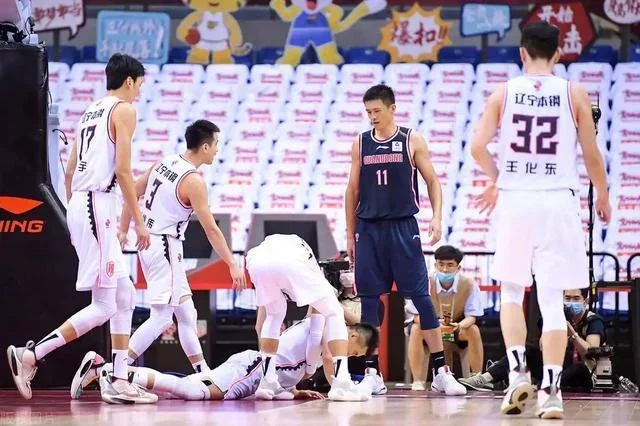

In the second round of the CBA playoffs, two crucial Game 2 matchups unfolded: Shenzhen versus Zhejiang and Guangsha challenging Shanxi on the road. After reviewing the game stats and fan reactions, it’s clear that this year’s playoff outcomes hinge on sharper, more unforgiving details than in previous seasons.
Notably, Guangsha played without their star guard Sun Minghui, making their road victory even more surprising. Let’s break down the key narratives from both games.
**Game 1: Shenzhen 95–91 Zhejiang**
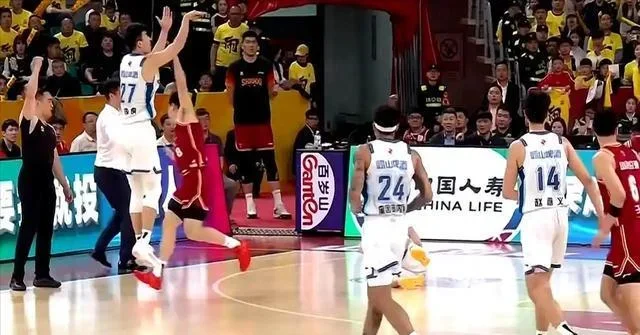
The first quarter was tightly contested, with both teams trading fast-break layups and perimeter jumpers, never allowing the lead to exceed five points. Shenzhen rookie Wang Haoran stepped up, contributing 10 points in the first half with a mix of inside rebounds and outside shooting, helping his team maintain stability.
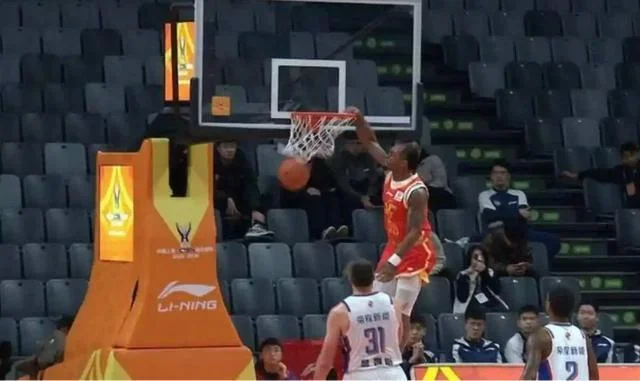
At halftime, Shenzhen held a six-point lead. Many expected Zhejiang to rally, given Wu Qian’s consistent shooting stroke. However, Shenzhen employed a full 10-man rotation in the second half, preserving energy across the board. In contrast, Zhejiang relied on only eight players, and by the fourth quarter, their bench struggled to maintain defensive intensity. He Xining stepped up late, sinking back-to-back three-pointers to stretch the lead beyond five points, sealing a 95-91 victory and giving Shenzhen a commanding series lead.
Under the CBA’s best-of-five quarterfinal format, teams that go up 2-0 have a 76.9% historical series win rate, putting Shenzhen in a strong position to advance.
**Game 2: Guangsha 86–81 Shanxi**
Guangsha’s situation was different. After losing Game 1 at home and without Sun Minghui, many fans doubted their chances. The atmosphere at Shanxi’s home arena was electric, with relentless crowd noise. The first half was back-and-forth, but Guangsha managed a five-point lead at the break, thanks largely to their interior presence.
In the third quarter, both teams struggled from beyond the arc, shooting just over 30% from three. Scoring came primarily from inside and second-chance opportunities. By the fourth quarter, physicality reached its peak, with foul counts rising but the referees maintaining a consistent whistle—both teams finished with fewer than six fouls in the final period.
Hu Jinqiu was the anchor for Guangsha, recording 17 points and 11 rebounds. His dominance in the paint forced Shanxi’s defense to collapse, creating perimeter opportunities for his teammates. Shanxi’s comeback attempts were repeatedly thwarted by poor outside shooting, which failed to stretch the defense. The final score was 86-81, evening the series at 1-1 and setting the stage for a pivotal Game 3 back in Guangsha’s home arena.
**The Decisive Factors in Playoff Basketball**
Fans often say winning comes down to details, and these games proved it. Shenzhen’s success was built on balanced scoring from the backcourt and forwards—He Xining with 18 points, Wang Haoran with 15—without over-reliance on any single player. Guangsha leaned on Hu Jinqiu as an interior fulcrum, which collapsed Shanxi’s defense and freed up outside shots for teammates. Both winning models reflect a growing CBA trend: teams are shifting away from heavy dependence on imports toward inside-outside balance.
On the losing side, each team had clear weaknesses. Zhejiang’s rotation was too conservative, using only eight players, leading to fatigue in the fourth quarter with nearly zero bench contribution. Their tactics were rigid, sticking to set plays without enough in-game adjustments. When Shenzhen compressed the paint, Zhejiang failed to adapt by increasing outside attempts.
Shanxi’s issue was poor three-point shooting—just 31.8% for the game. This inability to stretch the floor allowed Guangsha’s defense to collapse inside, making interior scoring inefficient.
**Rotation Depth: The Unsung Hero**
The concept of “rotation tolerance” in the CBA playoffs proved critical. Shenzhen’s 10-man rotation kept players fresh and allowed them to contribute effectively at different stages. In contrast, Zhejiang and Shanxi’s shorter rotations led to exhaustion, resulting in turnovers and missed shots in the final minutes.
Today’s CBA requires not just star performances but also bench depth—a lesson all teams must heed. For example, Shenzhen rookie Wang Haoran scored 15 crucial points. Reports say he practices over 1,000 three-pointers daily, a work ethic that young players should emulate. He Xining’s late-game explosion was also a product of diligent training. If he transitions to coaching after retirement, his attention to detail would benefit many young players.
Similarly, Hu Jinqiu’s inside dominance offers invaluable lessons for developing centers. Several retired CBA players have already moved into coaching, like Wang Bo, a former Guangsha player now leading the team effectively, demonstrating a common career path for professionals.
**Refereeing and Fair Play**
The top three fan discussion topics after these games were “Is Zhejiang’s rotation too conservative?” “Why did Shanxi’s outside shooting fail?” and “Did late-game officiating affect results?” This shows fans are increasingly analyzing playoff details beyond the scoreboard. While Shanxi’s home crowd might have exerted subtle pressure on officials, the referees maintained consistent standards—both teams had under six fouls in the fourth quarter, ensuring fairness. This reflects the ongoing improvement of CBA officiating rules.
**Looking Ahead**
These two Game 2 contests—95-91 and 86-81—taught everyone a lesson: star scoring only sets the foundation. Rotation depth, tactical flexibility, in-game adjustments, and attention to details are what truly decide outcomes. Shenzhen’s steady advance and Guangsha’s road comeback underscore the ruthlessness of the CBA playoffs, where every tactical choice or rotation shift can alter a series’ trajectory.
In the upcoming games, teams will likely adjust: Zhejiang may expand their rotation, Shanxi will focus on outside shooting drills. Young players like Wang Haoran will attract more attention as the league’s tactical system evolves from “import-dominated” to “balanced inside-out.” This shift will influence roster decisions across the league.
Hopefully, more young players will shine on the playoff stage, and retired professionals will pass on their experience through coaching or commentary, contributing to the growth of basketball.